

Despite making you feel confident or relaxed, drinking alcohol at work can only negatively affect your productivity and health. Morning drinking can indicate alcohol abuse, especially if you’re working the first shift. If people work out the day after drinking, they may drinking after work have reduced exercise quality or performance, and be more at risk of abnormal or sometimes dangerous heart rhythms, for up to two days after heavy drinking. Drinking before working out can increase a person’s risk of unusual or sometimes dangerous heart rhythms.
Stress After Work
However, people taking part in competitive team sports or other exercises of varying intensity can have EAC as well. Alcohol cravings are common, especially when you first try to change your drinking habits. It could take some time and effort to find a strategy that helps you navigate them effectively, but you do have plenty of options for support. Still, they’re pretty common, especially if you drink regularly or your alcohol use falls into the “heavy drinking” category (binge drinking 5 or more days in the last month). You may implement the best prevention strategies yet still have alcohol misuse in the workplace.
Suggest Sober Activities
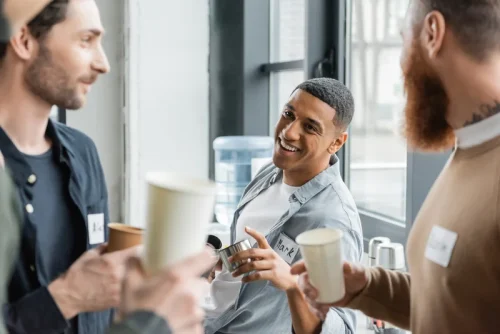
For those looking to control or quit after-work drinking, it is beneficial to engage in alternative activities that provide relaxation and enjoyment without relying on alcohol. Suggesting non-alcoholic meetups, such as sports events, cultural festivals, or dining out, can shift the focus from drinking to socializing and bonding. Additionally, stress management techniques like meditation, exercise, or engaging in hobbies can offer the relief traditionally sought from alcohol. The tradition of after-work drinks is perceived by many as a beneficial social practice, offering relaxation and opportunities for team bonding. Despite changing attitudes towards alcohol consumption, the practice still holds a place in many corporate cultures. After-work drinks are seen as a morale booster and a way to relieve stress after a demanding day at work.
Tips To Avoid The Urge To Drink Alcohol To Cope With Stress
- Despite the relaxing effects you think alcohol may have, it is a depressant.
- Many tech leaders also reported being worried about the future of their careers — and whether or not they will have a job.
- Alcohol dependence is the result of this because stress does not go away with alcohol, it could pile up.
- While there can be peer pressure to drink from your coworkers, it’s important to remember that drinking is not required.
- Workplace alcohol policies are crucial in setting limits on alcohol use and establishing consequences for employees who do not observe these limits.
- You’ll even find some pre-made non-alcoholic “cocktails” on the market with complex flavors to challenge your palate.
Professional medical staff can assist in the difficult process of withdrawal, making the transition into sobriety less daunting. But if it’s significantly affecting your health and relationships, it may be time to seek professional treatment. Alcohol is a depressant that affects the brain’s neurotransmitters, which are critical for regulating mood and behavior.
Tech execs are stressed out. Half are heavy drinkers and 45% take painkillers, a new study says.
Communicating these boundaries clearly and consistently to friends, family, and colleagues is important to ensure they are respected and supported. Setting limits on alcohol consumption is a growing trend among health-conscious individuals. According to recent studies, a significant proportion of alcohol consumers are actively trying to reduce their intake, with 83% doing so due to health concerns. This includes efforts to improve overall wellness and, for some, to support weight loss endeavors.
As mentioned, work or life, in general, can be a great source of stress for some people. There are many ways to relieve stress in a healthy way but some people see drinking as a quick and easy way to take their mind off these thoughts. Is after-work drinking feeling like a necessity at the end of a long, hectic day? If you’re going to the bar after every shift or binge drinking when you get home from the office, it may be time to seek help. Studies suggest that regular after-work drinking rituals, although socially and symbolically significant, primarily highlight the negative consequences for colleagues and the workplace environment.
- This ingrained practice is not only a part of professional life but extends from earlier rites of passage in educational settings, underscoring the deep-rooted nature of this cultural norm.
- For example, if someone is habitually late for work, they can be terminated.
- According to a BBC report, in the UK, private sector employees are more likely to perceive an expectation to drink at employer events compared to their public sector counterparts.
- However, drinking after work can have hidden dangers, regardless of your profession.
- This is particularly true in India where, experts say, the need to secure drinking water is holding women back and hindering economic growth.
- “The first priority following a workout should be to replenish electrolytes, rehydrate with water, and fuel correctly with a nutritious meal or snack consisting of both carbohydrates and protein.
The Impact of After-Work Drinking on Work Relationships
- It’s illegal to fire someone for being an alcoholic because alcohol use disorder (AUD), or alcoholism, is a disease.
- Either way, your friends might be curious what you’re up to if you discover a new passion for non-alcoholic mixology or evening bicycle rides.
- A ban on outdoor watering remained in place Saturday, with the system running at reduced capacity to keep enough water in reserve to fight fires and for the replacement line to undergo tests.
- Combining medication with therapy and other interventions can prove even more helpful than medication alone.
This is also a sign of alcohol use disorder and should be treated accordingly. Remember that what might be normal for https://ecosoberhouse.com/article/why-do-alcoholics-crave-sugar-in-recovery/ one person isn’t the same for another. One drink might be safe for some people, but it might be too much for others.
Alcohol felt like a good stress reliever at first, but now it feels more “gross” than good. It’s making you feel crummy, and you’re craving the energy and clarity you had before this habit began. Yet, as central as drinking is to workplace socialisation and strategy, there are signs that some companies are re-thinking the role of alcohol in professional settings.