
Cryptocurrency trading
Je hebt bij Bitvavo ook de mogelijkheid een passief inkomen op te bouwen door je coins on-chain of off-chain te staken. Op deze manier laat je je geld als het ware voor je werken en krijg je rente op je opgebouwde cryptobalans(en).< https://formedandfueled.com/ /p>
Deze key bewijst jouw eigenaarschap van het digitale geld en stelt je in staat transacties te ondertekenen. Als je dus deze private key kwijt raakt, raak je ook de toegang tot je digitale valuta kwijt. Een crypto wallet is dus te vergelijken met een echte portemonee, als je hem verliest, ben je alles wat erin zit kwijt.
Een crypto wallet is een programma of toestel dat je publieke en private keys opslaat voor cryptocurrencytransacties. Met een crypto wallet kan je een digitale handtekening zetten onder een transactie of smart contract. Je kunt een crypto wallet gebruiken om zowel crypto op op te slaan, versturen als ontvangen.
How to buy cryptocurrency
Cryptocurrencies and other cryptoassets are known for their dramatic price swings, which won’t always go the way that you hope for. However, this volatility has historically worked in some investors’ favour, making it an asset class that shouldn’t be ignored.
Bitcoin’s source code repository on GitHub lists more than 750 contributors, with some of the key ones being Wladimir J. van der Laan, Marco Falke, Pieter Wuille, Gavin Andresen, Jonas Schnelli and others.
Another point that Bitcoin proponents make is that the energy usage required by Bitcoin is all-inclusive such that it encompasess the process of creating, securing, using and transporting Bitcoin. Whereas with other financial sectors, this is not the case. For example, when calculating the carbon footprint of a payment processing system like Visa, they fail to calculate the energy required to print money or power ATMs, or smartphones, bank branches, security vehicles, among other components in the payment processing and banking supply chain.
Alternative Layer 1 coins There are many alternative base layer, or “Layer 1”, smart contract blockchains like Ethereum. And each of these other Layer 1s has its own cryptocurrency. Alternative Layer 1s and their native coins include Cardano (ADA), Solana (SOL) and Avalanche (AVAX).
Disclaimer: This page may contain affiliate links. CoinMarketCap may be compensated if you visit any affiliate links and you take certain actions such as signing up and transacting with these affiliate platforms. Please refer to Affiliate Disclosure
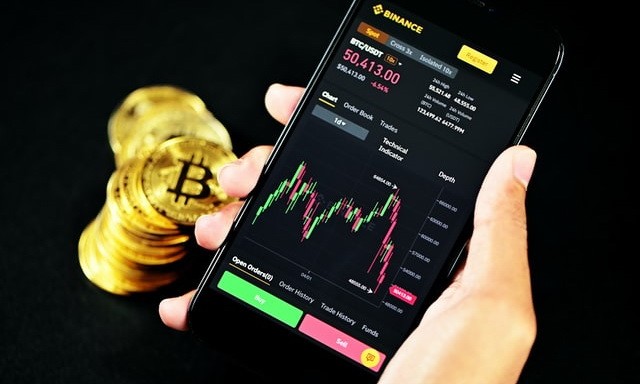
Cheapest cryptocurrency
Related Links Are you ready to learn more? Visit our glossary and crypto learning center. Are you interested in the scope of crypto assets? Investigate our list of cryptocurrency categories. Are you interested in knowing which the hottest dex pairs are currently?
Yes, you can use cryptocurrencies in the real world in several ways. Some merchants and services accept certain cryptocurrencies as a form of payment. You can also use some cryptocurrencies to buy non-fungible tokens (NFTs). You may also choose to participate in metaverses such as Sandbox or Decentraland and create or trade digital assets.
NFTs are multi-use images that are stored on a blockchain. They can be used as art, a way to share QR codes, ticketing and many more things. The first breakout use was for art, with projects like CryptoPunks and Bored Ape Yacht Club gaining large followings. We also list all of the top NFT collections available, including the related NFT coins and tokens.. We collect latest sale and transaction data, plus upcoming NFT collection launches onchain. NFTs are a new and innovative part of the crypto ecosystem that have the potential to change and update many business models for the Web 3 world.
The first chain to launch smart contracts was Ethereum. A smart contract enables multiple scripts to engage with each other using clearly defined rules, to execute on tasks which can become a coded form of a contract. They have revolutionized the digital asset space because they have enabled decentralized exchanges, decentralized finance, ICOs, IDOs and much more. A huge proportion of the value created and stored in cryptocurrency is enabled by smart contracts.
Although some investors choose to buy bitcoin, it has already seen a massive increase in its price over the last few years. Bitcoin is far from the only cryptocurrency option, however. In this article, you’ll learn how crypto prices work, explore cheap cryptocurrency options, and get simple tips on buying crypto.
We calculate a cryptocurrency’s market cap by taking the cryptocurrency’s price per unit and multiplying it with the cryptocurrency’s circulating supply. The formula is simple: Market Cap = Price * Circulating Supply. Circulating supply refers to the amount of units of a cryptocurrency that currently exist and can be transacted with.