
You can put them on sale, order more contemporary products and lower the inventory you carry so that you aren’t waiting on sales and have your cash flow hampered. You can draw some conclusions from our examples that will help your business plan. Knowing how often you need to replenish inventory, you can plan orders or manufacturing lead times accordingly.
Which of these is most important for your financial advisor to have?
This ratio is useful to a business in guiding its decisions regarding pricing, manufacturing, marketing, and purchasing. Some retailers may employ open-to-buy purchase budgeting or inventory management software to ensure that they’re stocking enough to maximize sales without wasting capital or taking unnecessary risks. A low inventory turnover ratio might be a sign of weak sales or excessive inventory, also known as overstocking. It could indicate a problem with a retail chain’s merchandising strategy or inadequate marketing. Simply put, a low inventory turnover ratio means the product is not flying off the shelves, for whatever reason.
Inventory Turnover Ratio: Definition, Formula & What It Means
In theory, if a company is not selling a lot of a particular product, the COGS of that good will be very low (since COGS is only recognized upon a sale). Therefore, products with a low turnover ratio should be evaluated periodically to see if the stock is obsolete. Competitors such as H&M and Zara typically limit runs and replace depleted inventory quickly with new items. There is also the opportunity cost of low inventory turnover; an item that takes a long time to sell delays the stocking of new merchandise that might prove more popular. A high ratio indicates that the firm is dealing in fast moving inventories and a low ratio, on the other hand, indicates slow moving or obsolete inventories lying in stock. Moreover, excessive quantities in stock always pose a risk of loss due to factors like damage, theft, spoilage, shrinkage and stock obsolescence.
Identify supply chain issues
- Knowing how well you did in historical sales through each quarter makes it easier to plan for the next one and not get stuck with unsold goods.
- Generally, a higher inventory turnover ratio indicates efficient management of inventory because more sales are being made.
- Companies, particularly those in manufacturing, can use this metric with raw materials as well as finished goods through the whole value stream.
- Conversely, a low turnover ratio might signal overstocking or weak sales.
While a high ratio generally implies efficiency, excessively high ratios may indicate insufficient inventory levels, potentially leading to missed sales opportunities or customer dissatisfaction. After all, high inventory turnover reduces the amount of capital that they have tied up in their inventory. It also helps increase profitability by increasing revenue relative to fixed costs such as store leases, as well as the cost of labor. In some cases, however, high inventory turnover can be a sign of inadequate inventory that is costing the company potential sales. A decline in the inventory turnover ratio may signal diminished demand, leading businesses to reduce output. Analysts use COGS instead of sales in the formula for inventory turnover because inventory is typically valued at cost, whereas the sales figure includes the company’s markup.
Inventory Turnover by Industry
A low ratio during the off-season might be expected, while a high ratio during peak seasons might not be sustainable year-round. Using an inventory turnover ratio calculator can help account for these seasonal changes, providing a more accurate picture of your inventory performance over time. Technological advancements, especially inventory and supply chain management software, are crucial for optimizing the inventory turnover ratio. These tools provide real-time data and analytics, aiding in strategic decision-making for purchasing and sales.
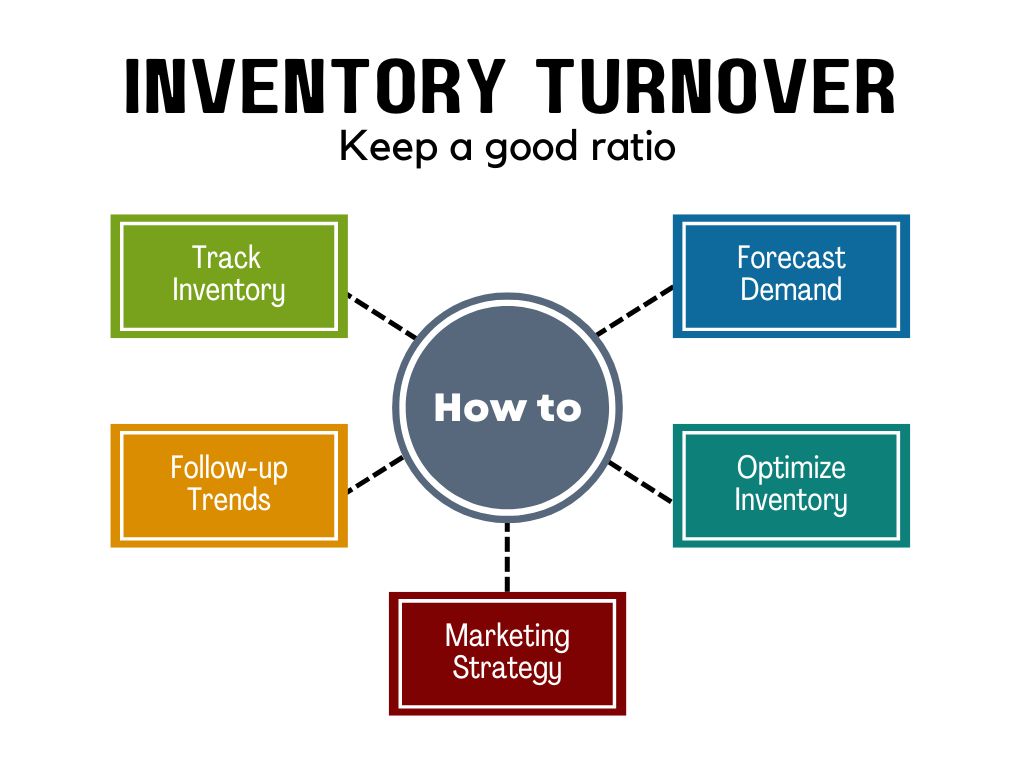
One of the key ways to improve inventory turnover is to optimize inventory levels. This can be achieved by improving demand forecasting, reducing lead times, and using just-in-time (JIT) inventory management techniques. By holding the right amount of inventory at the right time, a company can reduce the amount of inventory it needs to hold and improve the speed of inventory turnover.
Higher turnover ratios generally mean faster movement of inventory, which can be beneficial but may also lead to stockouts if not managed carefully. Conversely, a low turnover ratio might signal overstocking or weak sales. Apply the Formula – Use the values obtained from COGS and average inventory to calculate the inventory turnover ratio. Practical strategies, formulaic approaches, and technology integration, such as Netstock’s inventory solutions, highlight its tangible benefits.
Products are selling quickly, suggesting high demand and effective marketing strategies. The company is avoiding overstocking or understocking, which can tie up capital or indicate missed sales opportunities. Inventory turnover ratio (ITR), also known as stock turnover ratio, is the number of times inventory is sold and asset turnover ratio explanation formula example and interpretation replaced during a given accounting period. It’s calculated by dividing the cost of goods sold (COGS) by average inventory. On the other hand, a low inventory turnover ratio could indicate that the company is not selling its products quickly enough, resulting in excess inventory and potentially increased storage costs.
This metric often fails to reflect seasonal variations in demand, which can skew the understanding of how effectively inventory is managed. A high ITR means that inventory is selling and being replenished quickly, which often points to robust sales. Conversely, a low turnover might signify overstocking, while a high turnover might point to lost sales and understocking. Together, these components provide a comprehensive perspective on the company’s sales in relation to its inventory. This formula gives a clear picture of how effectively a company’s inventory is being utilized in relation to its sales. Other software or technology that could revolutionise inventory forecasting and the process includes artificial intelligence (AI) and blockchain.